
The Latest in Homebuilding Technology Trends
The Latest in Homebuilding Technology Trends
The homebuilding industry is constantly evolving and implementing new technologies to enhance construction and overall home functionality. Creating smarter, more efficient, comfortable and sustainable homes improves the homeowner's quality of life and protects their investment for years to come.
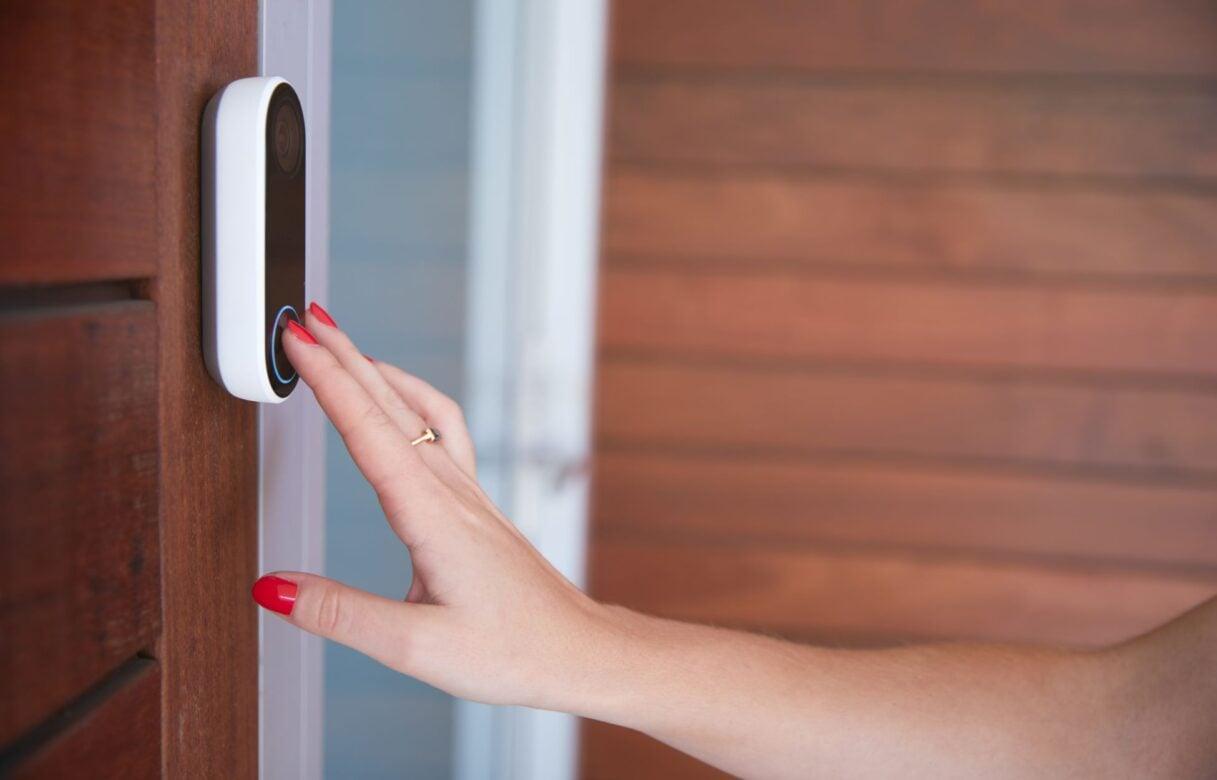
Smart home devices such as video doorbells and WiFi-controlled door locks are convenient when accommodating guests and service providers in your home and provide peace of mind that your home is safe and secure. Certain features that dramatically impact the cost of living have become must-haves for prospective homebuyers. More than 45% of all U.S. households - over 60 million - are actively using smart home devices in 2023. These features often include programmable “smart” thermostats and lighting that can be controlled through connected devices and help use energy only when needed. Homeowners can set their thermostats to automatically lower the temperature when they leave for work and raise it when they come home with similar controls for lighting. This can help save money on bills without sacrificing comfort. During new home construction, installing a mesh WiFi system can ensure strong connectivity and improved bandwidth throughout the home to improve the functionality and reliability of all smart home devices.
An energy-efficient home comprises several vital components, with high-quality insulation ranking among the most critical. Not only does it ensure comfortable indoor temperatures, but it also minimizes energy consumption. The U.S. Department of Energy reports that a well-insulated home can help homeowners save up to 20% on their heating and cooling bills. Other essential elements include efficient heating and cooling systems, energy-saving appliances and lighting, and airtight construction that prevents air leaks. Advanced heating and cooling systems equipped with sealed ducts consume less energy than traditional models, providing the same level of comfort. A high-efficiency furnace or air conditioner, for instance, can reduce energy consumption by up to 30% compared to a standard model.
Energy-efficient appliances like refrigerators, washing machines, and dishwashers use less energy than their traditional counterparts, without sacrificing performance. LED bulbs power energy-efficient lighting, delivering high-quality light while minimizing energy usage. WaterSense-certified faucets and fixtures and smart irrigation systems can help reduce water usage and further increase energy efficiency.
New technologies are also being used to keep homeowners' health a top priority. To improve indoor air quality, several measures can be taken. MERV 13 air filters can be installed in HVAC systems to reduce airborne contaminants, ensuring healthier air quality. Carbon monoxide detectors on each floor can alert residents to unhealthy levels of the gas in their homes. A touch faucet in the kitchen can provide a low-touch, high-sanitization solution for turning the faucet on and off without touching the handle or body. Using formaldehyde-free insulation for easier breathing and choosing low or no Volatile Organic Compounds (VOC) products for paint, adhesives, sealants, and cabinets. CRI Green Label +Plus carpet can help reduce the level of VOC emissions, providing safer and healthier indoor air quality.
Engineered wood products (EWP) are being used in home construction to reduce warping, splitting and shrinking. EWPs made from wood, which has been engineered to enhance performance and structural properties. These products are created by binding together strands, fibers, or veneers of wood using adhesives, heat, and pressure. The result is a composite material that offers better stability, strength, and durability than traditional solid wood.
Low-E glass windows effectively minimize the amount of infrared and ultraviolet light that enters the home and helps preserve fabrics, floors and furniture and provide added energy efficiency. Low-E glass is a type of glass that has a low emissivity, meaning it reflects heat and infrared radiation rather than allowing them to pass through the glass. The term "E" stands for emissivity, which is a measure of how effectively a material emits heat radiation. Low-E glass is manufactured by applying a microscopically thin coating of metallic particles or metal oxide to the surface of the glass. This coating reflects heat back into the room, keeping it warmer in the winter. It also blocks heat from the sun, keeping the room cooler in the summer. As a result, Low-E glass can help reduce energy consumption by minimizing the need for heating and cooling.
Tri Pointe Homes has been a leader in new technology-driven green building for over 20 years and is constantly evaluating new materials, technologies, and features for inclusion in their LivingSmart® program that embodies an unwavering devotion to improving the quality of life for new homeowners.